
// Selling investment property in Snohomish County, WA
Selling an Investment Property? Understand Your 1031 Exchange Options.
If you own a rental home, a duplex, or other investment property in Snohomish County and you're thinking about selling, one question is worth asking early: do you want to reinvest in real estate, or take the cash? A 1031 exchange lets you defer federal capital gains tax by rolling the proceeds from the sale into a like-kind investment property. The rules are specific, the timelines are strict, and the tax call belongs to your CPA. This page explains how the exchange works, who qualifies, and how to decide, so you can bring real questions, not guesswork, to your tax professional and your broker.
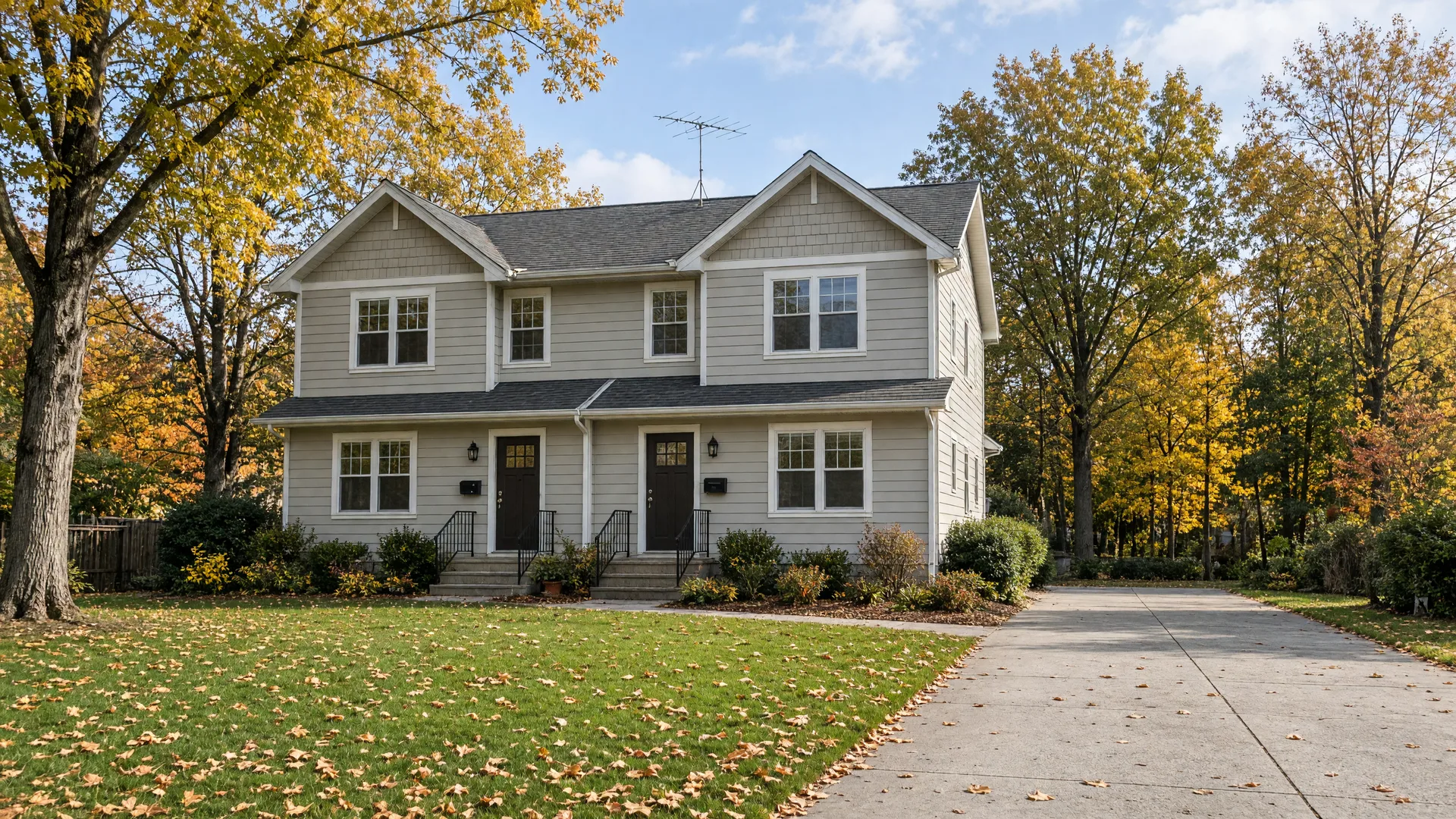
Tax-deferred options, explained plainly
// Why work with Curt
Investment Property Sales That Run on Numbers, Not Hype.
Selling a rental or investment property is a different conversation from selling a family home. Curt combines two decades of local experience, a construction background, and modern marketing with a clear-eyed approach to your options.
Accurate Investment Property Valuation
Curt prepares a comparative market analysis for rental and investment properties that weighs condition, rental income, and recent Snohomish County sales. That gives you a realistic picture of what the property could sell for, what a sale might net, and whether exchanging makes sense.
Construction-Background Preparation
Rental properties often carry years of deferred maintenance. With a residential and commercial construction background, Curt helps you separate fixes that protect value from spending that will not come back at the closing table.
Coordination With Your Tax Team
A 1031 exchange is handled by a qualified intermediary, and the tax call is yours and your CPA's. Curt coordinates the real estate side, the deadlines, and the documentation so the exchange can stay on track.
Deadline-Aware Listing Strategy
The 45-day and 180-day exchange clocks start the day your property closes. Curt prices, markets, and negotiates with those dates in mind, so your replacement property window is practical, not theoretical.
Marketing That Reaches Investors
Investment properties sell on the numbers: condition, rent, cash flow, and income potential. Curt markets rental and income properties to the buyers who understand them, with professional photography and clear financial information.
Plain-English Guidance, No Tax Promises
Curt explains your options without hype and without promising tax outcomes. What a 1031 defers, what it does not, and what you should confirm with a CPA and qualified intermediary are laid out plainly from the start.

The exchange, step by step
// The basics, plainly
What Is a 1031 Exchange?
A 1031 exchange, named after Section 1031 of the Internal Revenue Code, lets you sell an investment or business property and defer federal capital gains tax by reinvesting the proceeds into a like-kind property. You do not touch the sale money yourself: a qualified intermediary holds it between the two closings, you identify the replacement property within 45 days, and you close on it within 180 days. Done right, the tax on the gain is deferred, not eliminated. Done wrong, or partly, and tax can become due.
The key qualification questions:
- The property you sell must be held for investment or used in a trade or business. Rented homes, rental duplexes, commercial buildings, and income-producing land generally qualify.
- Your primary residence does not qualify for a 1031 exchange. The rules are for investment and business property, not the home you live in.
- The replacement property must also be like-kind, which for real estate is a broad standard: most investment real estate in the United States exchanges with most other investment real estate.
- You generally must reinvest the full net proceeds into the replacement property, into a property of equal or greater value, to avoid taxable boot.
- A qualified intermediary must hold the sale proceeds between the two closings. You cannot take possession of the money yourself.
- Washington real estate excise tax still applies to the sale of your property. A 1031 exchange defers federal income tax on the gain; it does not eliminate state excise tax.
// The clocks that matter
Two Strict Deadlines Drive Every 1031 Exchange.
Both timers start the day your property closes. They do not pause, and there are very few exceptions to them, which is why the exchange window has to shape your selling plan before you list.
days
The Identification Period
Within 45 days after your property closes, you must identify potential replacement properties in writing, in the format your qualified intermediary approves. Most investors identify up to three candidates, with additional value-based rules available if you want to name more.
days
The Exchange Window
You must close on the replacement property within 180 days of the sale, or by the due date of your tax return with extensions if that comes sooner. Both deadlines are strict and there are very few exceptions, which is why the clock drives the whole strategy.
Why the deadlines matter to your listing
Once your property closes, the clock is running before your replacement property purchase can close. That changes how we price, when we list, and how offers are handled. Curt plans the sale backward from the exchange window so you are not scrambling at day 40. The deadlines themselves are set by tax law, and only your CPA and qualified intermediary can confirm how every date applies to your exchange.
// The main structures
Three Types of 1031 Exchanges to Know About.
Most exchanges use one of three structures. The right one depends on whether you are selling first or buying first, and whether you plan to improve the property you buy. Your CPA and qualified intermediary will recommend the structure that fits; understanding them helps you ask better questions.
Delayed (Standard) Exchange
The most common structure. You sell your property first, the qualified intermediary holds the proceeds, and you buy the replacement property within the 180-day window. You never take possession of the sale funds.
Reverse Exchange
You buy the replacement property first and sell your existing property afterward. A reverse exchange requires an exchange accommodation titleholder to hold title, and it typically needs more financing and coordination.
Build-to-Suit (Improvement) Exchange
You use the sale proceeds to acquire a property and fund improvements to it, with the qualified intermediary managing the construction funds. This structure is more complex and needs careful planning with your tax team from the start.
// The other paths
What Happens Without a 1031 Exchange, and What Are Your Choices?
If you sell investment property without an exchange, the sale is a taxable event. You generally owe capital gains tax on the gain, and the depreciation you claimed over the years is recaptured and usually taxed at a higher rate than the rest of your gain. A 1031 exchange defers both while the rules are followed. That is the tradeoff at the center of your decision, and it is why the comparison below lays out three honest paths instead of one sales pitch.
| Option | What it means | Potential benefits | Things to consider |
|---|---|---|---|
| 1031 Exchange | Sell the investment property and reinvest the proceeds into like-kind investment real estate through a qualified intermediary. | Defers federal capital gains tax and depreciation recapture; keeps your equity working in real estate; can consolidate or diversify holdings. | Strict 45-day and 180-day deadlines; you must genuinely want to stay in investment real estate; QI fees apply; Washington REET still applies; confirm the tax picture with your CPA. |
| Sell Outright | Sell the property and keep the proceeds, paying the taxes that apply on the gain. | Cash in hand; the simplest structure; full freedom to reinvest outside real estate or use the money. | Capital gains tax and depreciation recapture are due; the tax bill can shrink your net proceeds; no replacement property to manage. |
| Hold the Property | Keep the property in your portfolio, continue renting it, and revisit a sale later. | Continues rental income; keeps the appreciation potential; time may bring different options, including estate planning considerations. | Ongoing landlord duties and maintenance; tax rules can change; your equity stays tied up in the property. |
This comparison is general educational information, not tax advice, and not a promise of any particular outcome. A 1031 exchange does not eliminate Washington real estate excise tax, and state rules may apply separately. Your CPA or qualified intermediary can confirm how every point applies to your situation.
// An honest fit check
Is a 1031 Exchange Right for You?
A 1031 exchange is a tool, not a trophy. It makes sense when you genuinely want to stay in real estate and the deferral is meaningful. These signals point in that direction:
- You want to stay invested in real estate rather than take the cash out.
- You have significant built-up gain, so the tax deferral is meaningful.
- You want to trade one property for a different type of investment real estate.
- You plan to consolidate several properties into one, or split one property into several.
- You are ready to stop managing a property but want to keep income coming, such as through a net-lease or professionally managed property.
- You can realistically act within the 45-day and 180-day windows.
Reasons to think twice
It is just as honest to say when an exchange probably is not the fit:
- You want the cash and do not plan to reinvest in real estate.
- The capital gains tax is small relative to the complexity and cost of an exchange.
- You are not sure the replacement market makes sense for your goals right now.
- You cannot comfortably manage the timeline between the sale and the purchase.
Deferred is not eliminated
A 1031 exchange postpones the federal tax on your gain; it does not erase it. When you eventually sell that replacement property outside another exchange, the deferred tax generally comes due, unless other rules apply. Your CPA and qualified intermediary are the people to run your actual numbers and confirm the current rules.
// How Curt can help
A Practical Plan for Selling Investment Property.
From the first conversation about your gain through the closing that keeps your exchange window intact, here is the sequence Curt follows to keep an investment property sale organized and moving.
Confidential Conversation
We talk through the property, your goals, and whether you are leaning toward exchanging, selling outright, or holding. This is a working conversation, not a sales pitch.
Valuation and Net Proceeds Review
Curt prepares a comparative market analysis for the rental or investment property so you understand what it could sell for and what a sale might net after costs and payoffs.
Strategy With Your Tax Team in the Loop
If a 1031 exchange is on the table, you confirm the tax picture with your CPA and choose a qualified intermediary early. Curt builds the listing strategy around the exchange timeline.
Market and Negotiate on Your Timeline
The property is prepared, priced, marketed, and negotiated with the exchange window in mind, so the sale date works with your replacement property plan.
Coordinate Closing
Curt works with the qualified intermediary, title, escrow, and your tax professionals to keep the transaction organized through closing and the exchange documentation complete.
// Q & A
Frequently Asked Questions About 1031 Exchanges and Selling Investment Property.
Straight answers to the questions investment property owners in Snohomish County ask most. Search the list, or ask Curt directly and your question becomes the next good answer.
Every exchange is different.
Tax rules change, and every property has its own numbers. Curt can help with the real estate side and coordinate with your CPA and qualified intermediary, who confirm the tax specifics for your situation.
Ask Curt01 What is a 1031 exchange?
A 1031 exchange, named after Section 1031 of the Internal Revenue Code, lets an owner of investment or business property sell it and defer federal capital gains tax by reinvesting the proceeds into a like-kind property. A qualified intermediary holds the sale proceeds between the two transactions, the replacement property must be identified within 45 days, and the purchase must close within 180 days. It is a tax deferral, not a tax elimination, and the specific rules require professional guidance.
02 Who qualifies for a 1031 exchange?
The property sold must have been held for investment or used in a trade or business. That generally includes rental homes, duplexes, commercial buildings, and income-producing land. Owners who trade one investment property for another investment property, whether they are an individual, a partnership, an LLC, or a trust, can potentially use the rules. Your primary residence does not qualify. Whether your specific property and structure qualify is worth confirming with a CPA and a qualified intermediary.
03 Can I do a 1031 exchange on my primary residence in Washington?
Generally no. The 1031 rules apply to property held for investment or used in a trade or business, not to a personal residence. The separate home-sale exclusion that allows many homeowners to exclude gain on a primary residence is a different rule with its own requirements. If you are selling a home you live in, ask your tax professional which rules apply to you.
04 What are the 45-day and 180-day rules?
Within 45 days of the sale of your property, you must identify potential replacement properties in writing, in the format your qualified intermediary requires. You then have 180 days from the sale, or the due date of your tax return with extensions if that is sooner, to close on the replacement property. Both deadlines are strict, and there are very few exceptions. Missing either one ends the exchange and the tax becomes due.
05 What counts as like-kind property?
For real estate, like-kind is a broad standard. Most real estate held for investment or business use within the United States exchanges with most other real estate held for investment or business use. That means a rental house can exchange into a commercial building, raw land, or another rental property, as long as the rules are followed. Property outside the United States and property used mainly as a personal residence do not generally qualify.
06 Is a 1031 exchange tax-free?
Tax-deferred is the accurate description, not tax-free. A 1031 exchange postpones the federal capital gains tax and depreciation recapture on the sale, and the deferred tax is generally due later when that replacement property is sold outside another exchange, unless other rules apply. Some people eventually use estate planning strategies that affect the outcome, which is another reason the full picture belongs with a CPA.
07 What is depreciation recapture?
When you own a rental or investment property, you are generally able to claim depreciation deductions on it each year. At sale, the part of your gain that comes from depreciation you claimed is recaptured and generally taxed at a higher rate than the rest of your gain. A 1031 exchange defers that recapture along with the capital gains tax while the exchange rules are followed. Your CPA can show you the exact effect on your numbers.
08 What happens if I miss the 45-day or 180-day deadline?
If you do not identify a replacement property within 45 days, or do not close on it within 180 days, the exchange generally fails. The sale is then treated as an ordinary sale, and the capital gains tax and depreciation recapture become due for that tax year. The deadlines are strict with very limited exceptions, which is why the timeline has to shape the listing and buying plan from the beginning. No broker can extend these deadlines for you.
09 What is a reverse 1031 exchange?
A reverse exchange is one where you acquire the replacement property before selling your existing property. Because you cannot simply buy the new property first under standard rules, a specialized exchange accommodation titleholder holds title to one of the properties while the exchange takes place. Reverse exchanges typically require more financing, more coordination, and earlier planning, and they are worth discussing with your CPA and qualified intermediary well before you make any offers.
010 Do I need a qualified intermediary for a 1031 exchange?
Yes. To qualify for the deferral, you generally must not receive or control the sale proceeds yourself. A qualified intermediary holds the funds between the two closings and prepares the exchange paperwork. Choosing a reputable QI with experience is an important step, and your CPA can help you evaluate one. Curt coordinates the real estate side with the QI and your tax team so the exchange documentation and the sale stay aligned.
011 Can I use a 1031 exchange to buy a vacation home?
The general rule is that property must be held for investment or business use to qualify, and personal-use property like a vacation home does not. There are narrow arrangements where certain rental-use situations may work under specific guidance, but the details matter a great deal. If a vacation or second home is your goal, run the exact plan past a CPA and a qualified intermediary before relying on it.
012 How do I decide between a 1031 exchange, selling, or holding?
The right answer depends on your goals, your tax situation, the property's condition, and what you want your equity to do next. If you want to keep investing in real estate and the gain is significant, an exchange deserves a hard look. If you want the cash or a different kind of investment, selling outright may make more sense. If the property still works for you, holding avoids the decision entirely for now. Curt can lay out the real estate side of each path honestly, and your CPA runs the tax numbers that make the decision clear.
// Talk it through, privately
Weighing an Exchange, a Sale, or Holding On? Let's Talk.
Whether you're ready to sell, exploring a 1031 exchange, or simply trying to understand what your investment property is worth, I'm happy to walk through the real estate side with you. The conversation is confidential, practical, and without pressure. Tax specifics stay with your CPA and qualified intermediary, and I coordinate with them when you need it.
Keller Williams North Sound, 1027 State Ave. Ste 102, Marysville, WA 98270

AI-certified broker. Curt combines 22+ years of local real estate experience with modern technology and marketing to give every client an advantage.
Request a Confidential Consultation
Tell Curt a little about your property and where you are in your thinking. He replies personally; the conversation is private, and your CPA and qualified intermediary stay in the loop on anything tax-related.
// Where to look next
Helpful Resources for Investment Property Owners
The official agencies below publish the tax rules and requirements that apply to like-kind exchanges. The links on the right take you to related guidance from this site.
Official resources
From this site

Broker · Wa Lic 51380
// About Curt Simmons
An experienced local broker for investment property sales.
Curt Simmons has been selling real estate in Snohomish County and Washington State since 2003, and before that he spent 10 years in residential and commercial construction as a master electrician. He is a broker with Prime Listings Group at Keller Williams North Sound and works with homeowners and investors buying and selling throughout the county.
That construction background gives him a hands-on view of what an investment property needs and what it does not, and his AI-certified marketing and technology approach gives listings visibility with the buyers who move on the numbers. His focus is clear communication, honest guidance, and practical planning, so you understand your options and the tradeoffs before you commit.
Disclaimer
Information on this page is for general educational purposes and is not tax, legal, or financial advice. Like-kind exchange requirements, property qualifications, and tax treatment vary, and tax law can change. Confirm the tax specifics of your situation with a CPA or other qualified tax professional and work with a qualified intermediary to execute any exchange. Curt Simmons provides real estate brokerage services only and does not guarantee any tax outcome.